
#ShePersisted* is fighting to protect democracy from digital harms.
*#ShePersisted is not affiliated with any political party or candidate. Our name is a homage to the women leaders who are persisting globally, in the face of overwhelming hostility and digital harms.
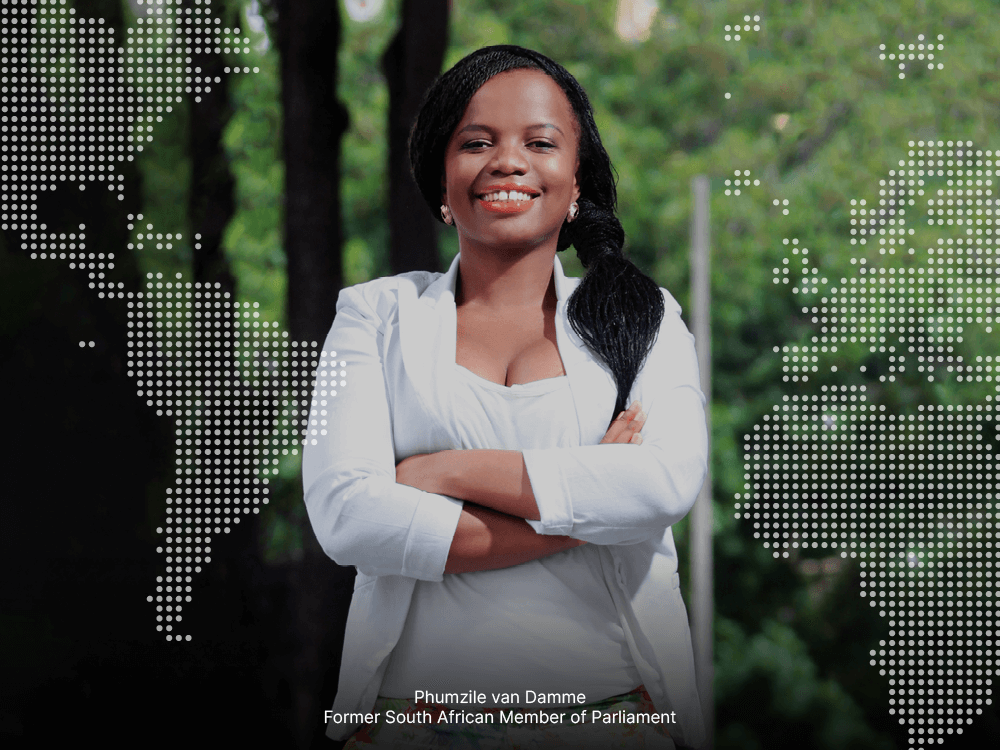


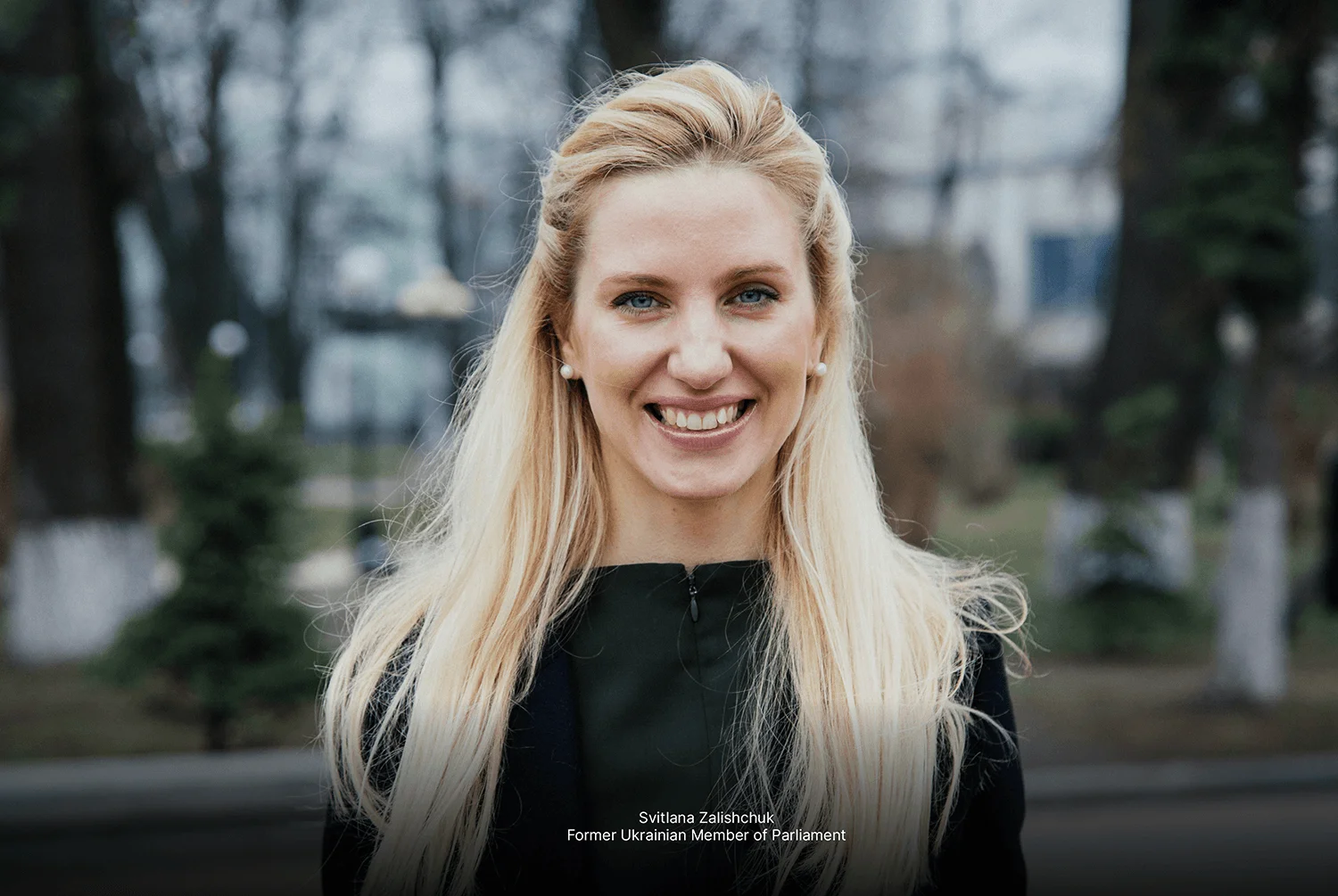
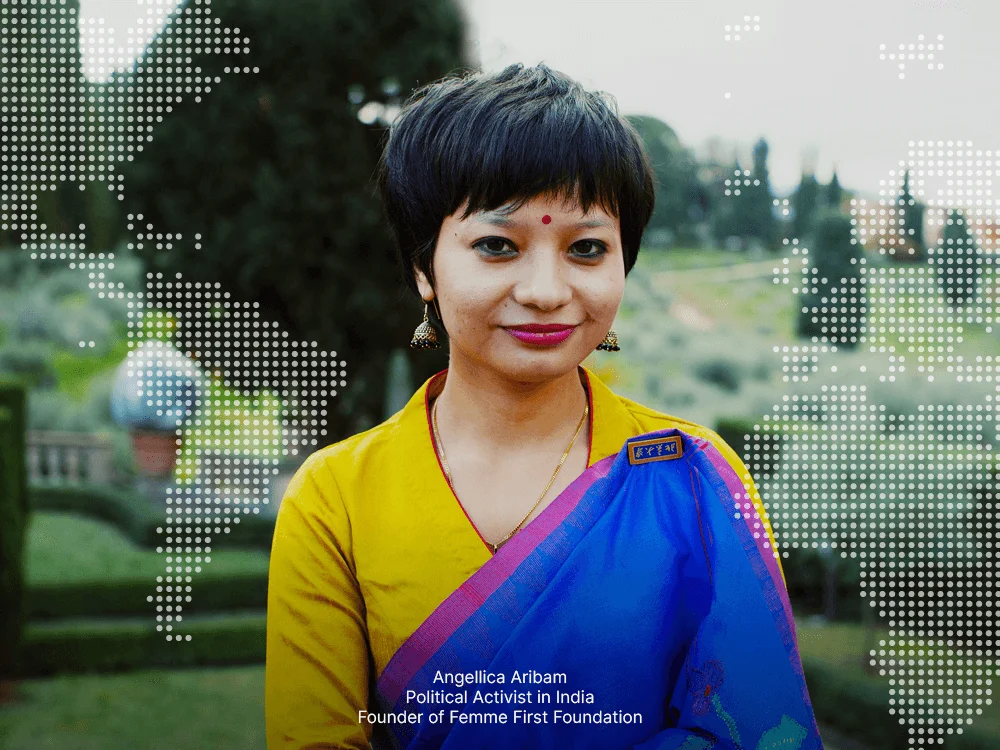
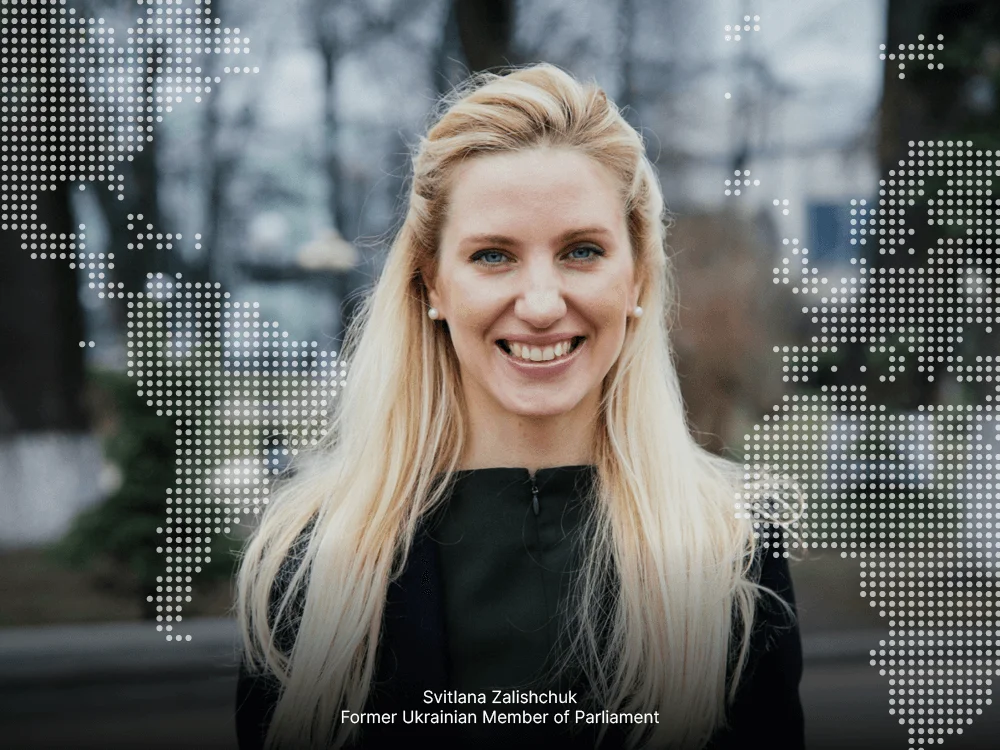
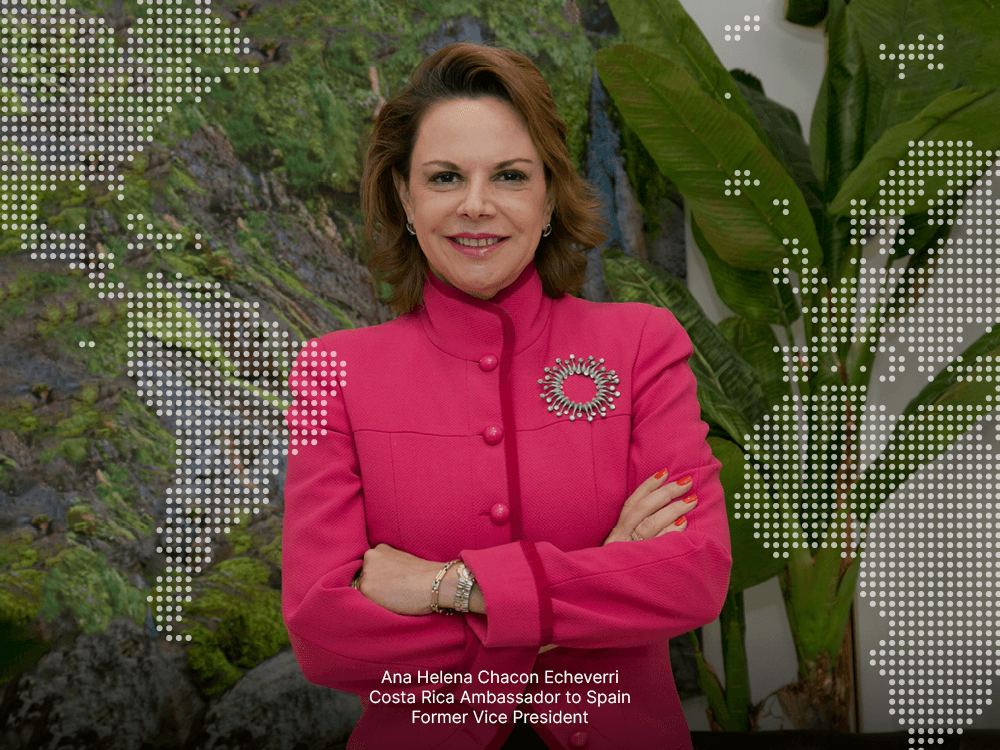
Women in politics are under attack globally.
#ShePersisted* is fighting to protect democracy from digital harms.
*#ShePersisted is not affiliated with any political party or candidate. Our name is a homage to the women leaders who are persisting globally, in the face of overwhelming hostility and digital harms.
#ShePersisted works to address gendered information attacks against women in politics. We research digital harms, support women leaders to build digital resilience, and advocate for improved digital standards.
#ShePersisted works to address gendered disinformation against women in politics. We research digital harms, support women leaders to build digital resilience, and advocate for improved digital standards.
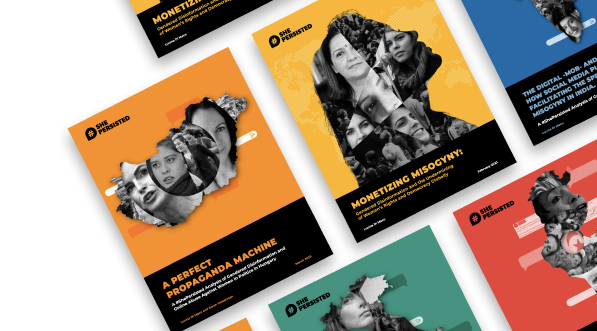
Read our latest research series
Read our latest research series
Recent Highlights
The Problem
Globally, women in politics and journalism experience relentless, overwhelming volumes of online attacks rooted in bias and things are even worse for those facing compounded discrimination. Designed to discredit, silence, and delegitimize, these attacks pose a direct threat to free expression, discourage the next generation of women from participating in civic life, and weaken human rights.
Our Work
Digital targeting of women in politics and the manufacturing of online abuse is facilitated by digital monopolies, which pose a threat to democratic institutions and women’s rights globally. To fight this we have developed a three-pronged strategy:
Get Involved
#ShePersisted drives conversations on democracy, technology, and women’s rights through research, events, and discussions with global leaders. Join us in fostering a healthier online space for women and advancing women’s equal participation in politics and civic life worldwide.
The Problem
Globally, women in politics and journalism experience relentless, overwhelming volumes of online attacks rooted in bias and things are even worse for those facing compounded discrimination. Designed to discredit, silence, and delegitimize, these attacks pose a direct threat to free expression, discourage the next generation of women from participating in civic life, and weaken human rights.
Our Work
Digital targeting of women in politics and the manufacturing of online abuse is facilitated by digital monopolies, which pose a threat to democratic institutions and women’s rights globally. To fight this we have developed a three-pronged strategy:
Get Involved
#ShePersisted drives conversations on democracy, technology, and women’s rights through research, events, and discussions with global leaders. Join us in fostering a healthier online space for women and advancing women’s equal participation in politics and civic life worldwide.
As Seen In: